
clients nowadays do not assume in channels they assume in reviews. they might find out your emblem on TikTok, browse your website on a pc, and buy in-store an hour later. The problem? maximum companies still operate in fragmented silos that make that journey sense disjointed and frustrating.
That is exactly where omnichannel marketing changes the game. It’s the strategic shift from disconnected touchpoints to an actually unified purchaser enjoy one wherein each interplay feels intentional, related, and private. In this manual, you will research what it’s miles, why it is, and the way to build it from the floor up in 2026.
What is Omnichannel Marketing? (Definition & Core Concept)
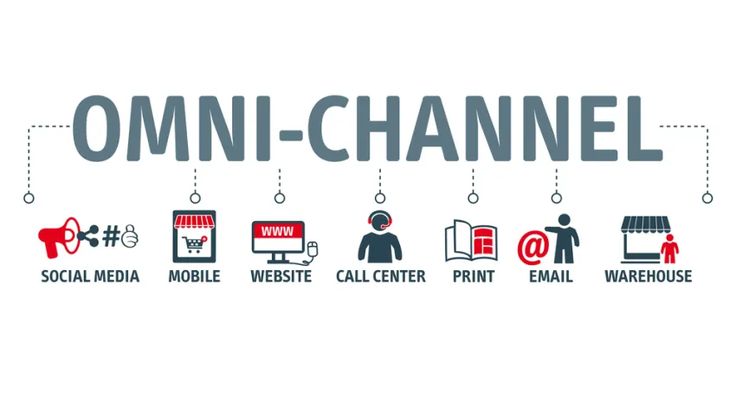
Omnichannel advertising is a purchaser-first technique that integrates all of your marketing channels digital and bodily into one seamless, constant experience. Every touchpoint, from social commercials to in-keep interactions, stocks records and speaks the equal emblem language.
Here’s an easy way to understand the distinction: multi-channel advertising and marketing is sort of a choir wherein every person sings a one of a kind music. Omnichannel marketing is that identical choir now singing in perfect harmony.
traditional multi-channel advertising and marketing honestly places your logo on many systems. Omnichannel is going similarly by connecting the ones structures so client behavior on one channel informs what they see on the subsequent. it’s now not about being everywhere it’s about being constant anywhere.
Why Your Business Needs an Omnichannel Marketing Strategy
Purchaser behavior has essentially modified, and groups that don’t adapt are already falling at the back of. A powerful omnichannel marketing approach directly improves consumer retention, will increase lifetime value (LTV), and allows smarter information integration across your complete operation.
don’t forget Starbucks. Their rewards app, in-keep experience, and email campaigns don’t simply coexist; they actively talk with each other. A drink you order Monday morning suggests up as a customised advice by means of Wednesday. That is a continuing logo built on unified statistics and planned move-channel strategy.
The consequences speak for themselves. Companies with strong omnichannel engagement retain 89% of their clients in common, compared to simply 33% for manufacturers without it. better retention method, lower acquisition fees, more repeat purchases, and a measurably healthier backside line.
How Omnichannel Marketing Drives ROI
The financial case for omnichannel marketing is straightforward. Customers who engage across three or more channels have a 30% higher lifetime value than single-channel customers. Unified customer journey mapping reduces wasted ad spend by eliminating redundant messaging. And centralized data integration means your marketing decisions are driven by real behavior not guesswork. When every channel reinforces the last, your conversion rates improve and your cost per acquisition drops. The ROI isn’t theoretical; it’s measurable from day one.
Step-by-Step Framework to Implement Omnichannel Marketing
constructing a true omnichannel enjoy calls for a structured method. Here’s a practical 4-step framework you can begin making use of today.
1. records Centralization
The whole thing begins with an unmarried supply of reality. Use a CRM (like Salesforce or HubSpot) or a client facts Platform (CDP) to unify client information from all touchpoints web, e-mail, social, in-store, and help. Without centralized facts, personalization is impossible and facts integration remains a buzzword in preference to a reality.
2. customer adventure Mapping
earlier than you may connect the dots, you need to know where they’re. patron journey mapping approach documenting each touchpoint a purchaser uses throughout their lifecycle from a primary Instagram impact to a publish-buy support chat. discover where clients switch channels, in which they drop off, and wherein friction exists. Those are your highest-precedence areas for development.
Key touchpoints to map:
Social media (discovery and retargeting)
e-mail (nurturing and lifecycle campaigns)
internet site and cell app (consideration and conversion)
In-store or live interactions (high-accept as true with moments)
customer service (retention and loyalty)
three. content material Personalization
Once your records are unified and your journey is mapped, you could build personalized marketing campaigns that adapt to each purchaser in real time. A first-time visitor ought to see unique messaging than a faithful repeat client. Someone who deserted a cart deserves a tailored reminder now, not a widespread publication. Personalised advertising and marketing campaigns constantly outperform one-size-suits-all approaches, with studies displaying as much as a 20% growth in income from personalization alone.
4. checking out and Optimization
Omnichannel is by no means “completed.” set up cross-channel analytics dashboards to display performance holistically now, not just per channel. A/B take a look at messaging, timing, and offers. review attribution fashions to apprehend which channel mixtures pressure the maximum conversions, and reallocate finances for this reason. Continuous checking out is what separates brands that grow from manufacturers that plateau.
Essential Tools for Successful Cross-Channel Automation
Choosing the proper generation stack is crucial to executing your cross-channel method at scale. Here is an assessment of 4 main platforms:
| Tool | Best Feature | Target Audience |
| HubSpot | All-in-one CRM + marketing automation with deep email and ad integrations | SMBs and mid-market B2B brands |
| Salesforce Marketing Cloud | Enterprise-grade journey builder with advanced segmentation and AI | Large enterprises and complex B2C operations |
| Omnisend | E-commerce-focused automation across email, SMS, and push notifications | D2C and e-commerce brands |
| Klaviyo | Behavioral data-driven flows and powerful segmentation for online stores | E-commerce brands scaling retail omnichannel solutions |
No single device works for every business. select based for your crew length, current tech stack, and where your customers are most lively.
Key Challenges in Omnichannel Marketing (And How to Fix Them)
Even manufacturers with the right intentions run into actual limitations whilst constructing omnichannel stories.
task 1: facts Silos while your e-mail platform, CRM, and e-commerce machine do not communicate to each other, you turn out to be with three incomplete pictures of the equal purchaser. The fix: invest in a CDP or middleware integration layer (like Zapier or section) to create a unified consumer profile.
task 2: Inconsistent logo Messaging one-of-a-kind teams dealing with exceptional channels regularly produce conflicting messages and visual identities. The restore: construct a centralized content material and brand guidelines library that each crew works from and make go-purposeful syncs a weekly ritual, no longer an afterthought.
mission three: Attribution Complexity knowledge which channel “gets credit” for a conversion is certainly tough in a multi-touch world. The restoration: Shift from remaining-click attribution to a facts-driven attribution version that weights all touchpoints in the customer adventure fairly.
Conclusion: The Future of Omnichannel Marketing
The brands prevailing in 2026 aren’t the ones shouting loudest, they’re the ones listening first-class. Omnichannel marketing is not a luxury reserved for agency groups with huge budgets. It is the foundational method any increase-targeted brand needs to construct significant, lasting consumer relationships.
start small: centralize your information, map one key client journey, and near one channel gap. Then build from there. The technology exists, the playbook is confirmed, and your customers are already looking forward to it.
Your subsequent step: Audit your modern touchpoints this week. Identify wherein the revel breaks down and fasten that one element first.That’s how an omnichannel advertising and marketing transformation simply starts off and evolves.
1. What is omnichannel marketing?
Omnichannel marketing is a strategy that integrates all patron touchpoints, together with websites, social media, e mail, cell apps, and physical shops, to offer a seamless and steady customer enjoy across every channel.
2. Why is omnichannel marketing important?
Omnichannel marketing and advertising improves purchaser delight through growing a unified enjoy. It facilitates corporations boom client loyalty, enhance engagement, and power higher income by using making interactions more handy and personalised.
3. What is the difference between multichannel and omnichannel marketing?
Multichannel advertising makes use of multiple systems to attain customers, but they often paintings independently. Omnichannel marketing connects all channels, allowing clients to move seamlessly among them whilst preserving a consistent revel in.
4. What are the key benefits of omnichannel marketing?
The principle benefits include stepped forward purchaser experience, higher customer retention, extended brand loyalty, better facts insights, more potent patron engagement, and higher conversion prices.
5. How can businesses implement an omnichannel marketing strategy?
Groups can put into effect omnichannel marketing by means of integrating client statistics, maintaining steady branding throughout channels, the usage of marketing automation gear, personalizing purchaser interactions, and monitoring purchaser trips to optimize the revel in.